Digital Transformation for Local Coffee: Polman Negeri Babel Supports the Mandiri Farmer Group in Petaling
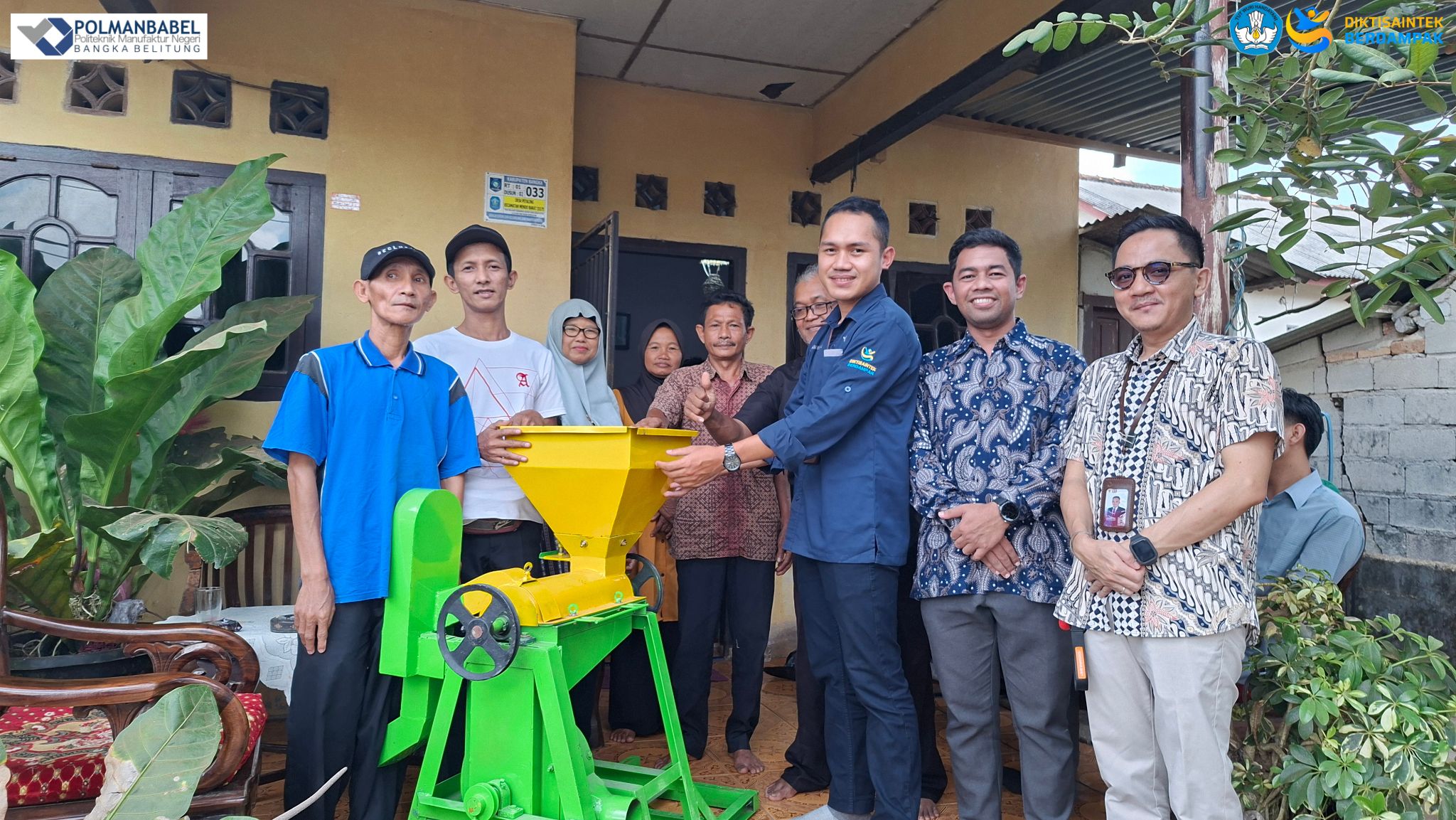
Lecturers from the Bangka Belitung State Polytechnic (Polman Negeri Babel) and the Mandiri Coffee Farmers Group from Petaling Village share a collective smile after receiving machinery provided through a community service program.
As part of the effort to fulfill the "Tri Dharma" (Three Pillars) of Higher Education, a team of lecturers from the Bangka Belitung State Manufacturing Polytechnic conducted a Community Service (PKM) initiative aimed at empowering the *Mandiri* Coffee Farmers Group in Petaling Village, Bangka Regency.
The program, which ran from July 28 to August 14, 2026, focused on the adoption of production technology and digital branding transformation to enhance the farmers' group capacity and develop the potential of the local coffee business.
The PKM team was led by Redi Alamsyah, M.M., with team members Hendrik Ali, S.T., M.M., and M. Syafrizal Zain, S.Kom., M.Kom., and also involved students Sukma Ferdiansyah Saputra and Raden Ganianda Regina Putri.
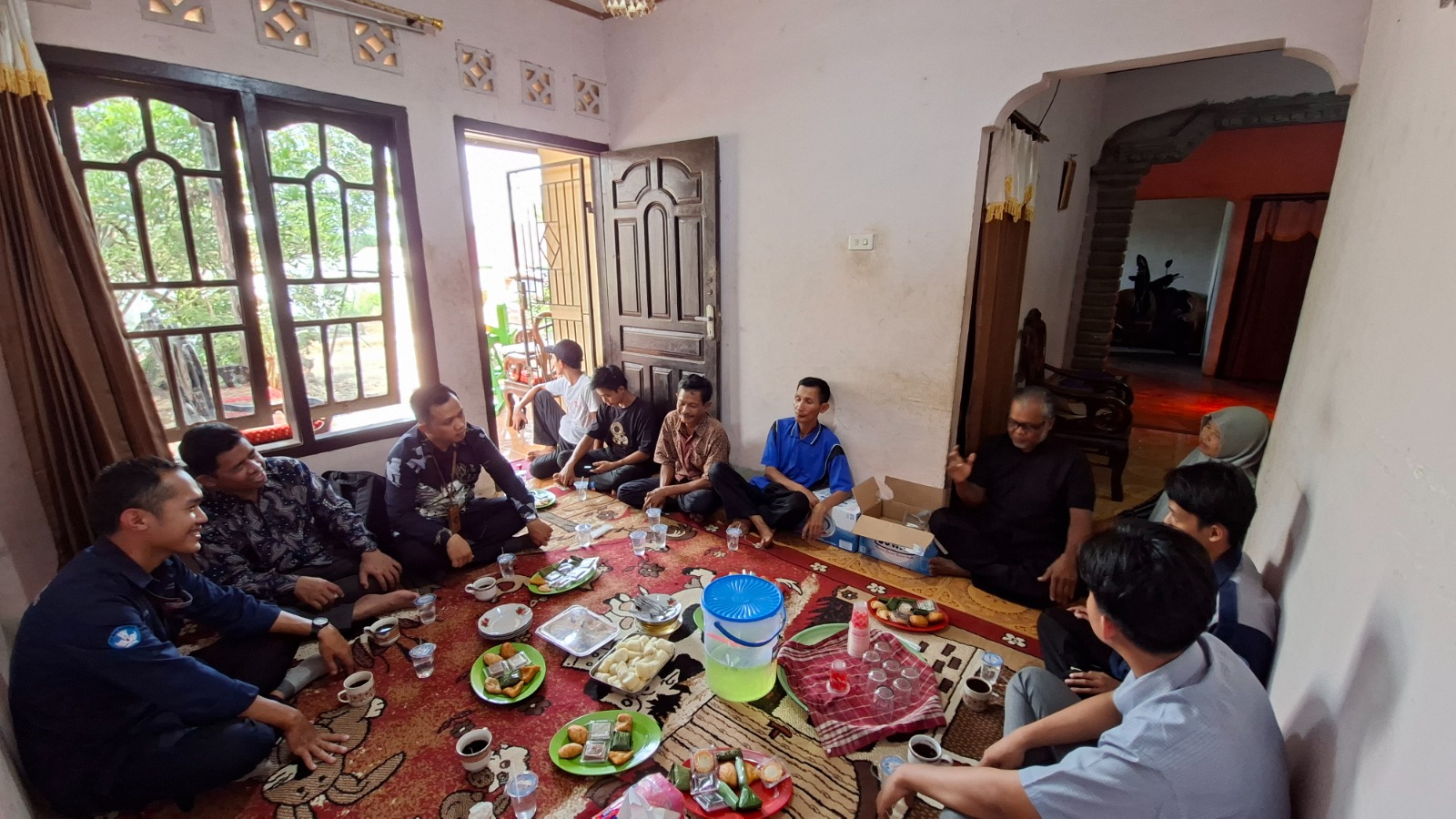
Speaking on Friday (August 21, 2026), Redi Alamsyah, M.M., explained that the *Mandiri* Coffee Farmers Group possesses significant potential for business growth; however, challenges requiring attention include post-harvest processes that are still performed manually and limited utilization of digital media.
To address these challenges, the PKM team provided guidance through the implementation of production technology—specifically the use of coffee bean hulling machines—to help improve post-harvest efficiency and enhance the quality of coffee processing.
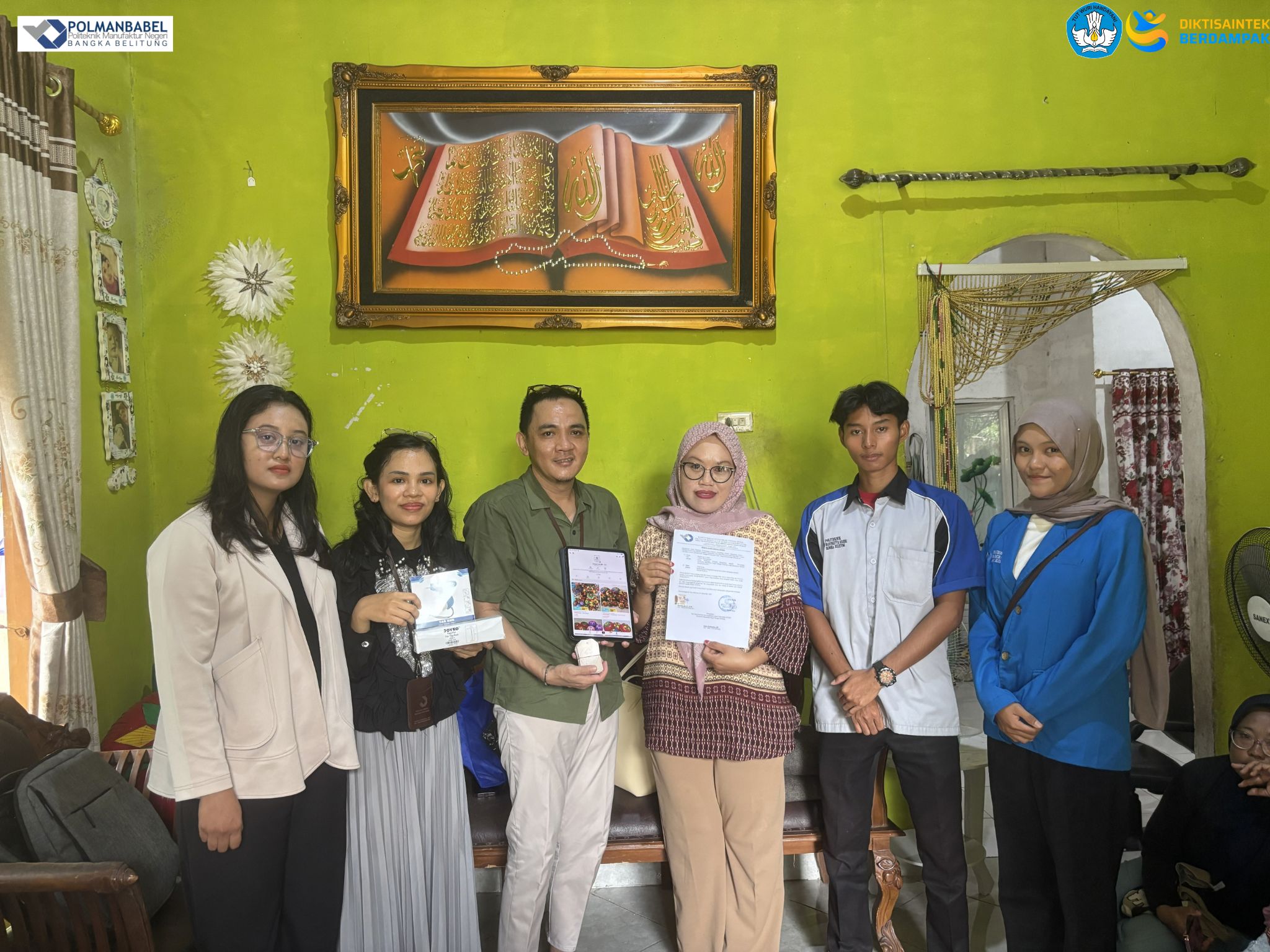
In addition to implementing production technology, the Polman Babel faculty team also encouraged the use of social media as part of a digital branding transformation. Through digital channels, the farmer groups were guided to introduce their profiles, production activities, and coffee products to a wider audience.
"The impact of the Polman Babel lecturers' involvement is evident in the members' active participation in the mentoring process and technology application practices, enabling them to manage both production technology and digital media independently," he added.
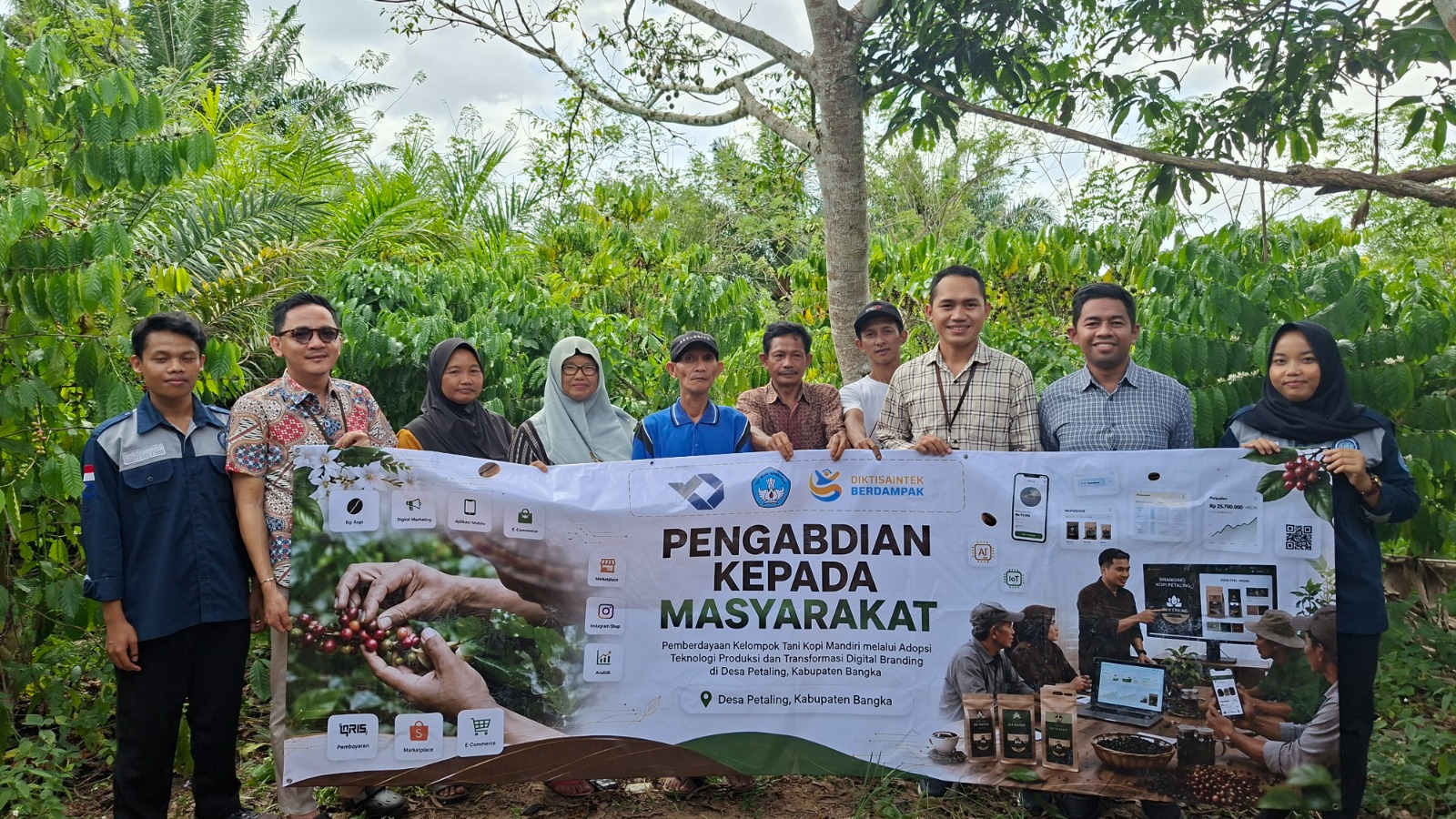
The involvement of Polman Babel lecturers and students in these activities represents a tangible contribution by the higher education institution toward community empowerment. The approach taken focuses not only on knowledge transfer but also on implementing solutions that the community can utilize directly.
As this initiative progresses, Polman Babel lecturers and students engaging with the community are expected to do more than simply fulfill the 'Tri Dharma' (Three Pillars of Higher Education); they are also expected to provide practical solutions and support the sustainable development of local economic potential," Redi emphasized.