Supporting an Industry-Based Curriculum, Lecturers in Fisheries Cultivation Technology at Polman Negeri Babel Benchmark Fisheries Companies

Lecturers in Fisheries Cultivation Technology at Polman Negeri Babel held discussions with companies to gather input from industry to strengthen the OBE-based curriculum.
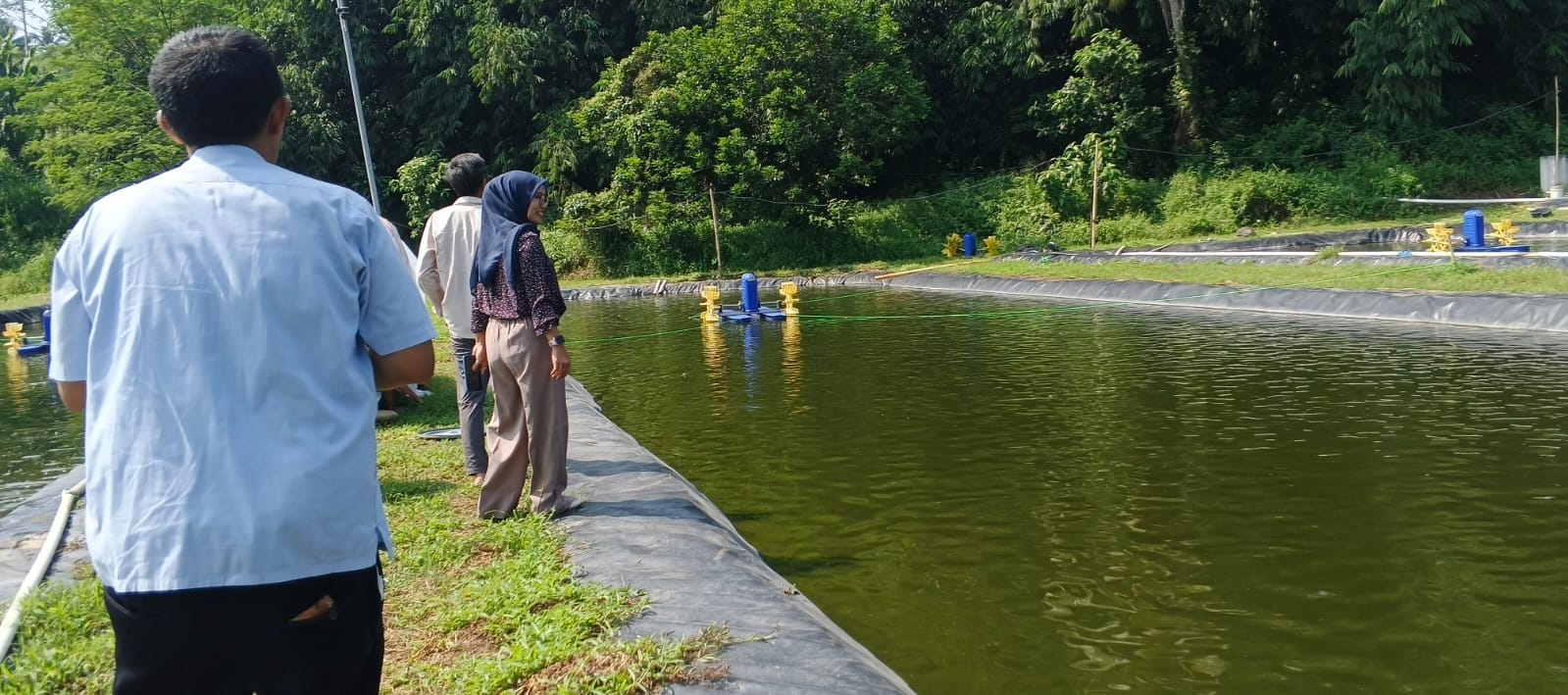
In an effort to prepare graduates who are work-ready and meet industry needs, lecturers from the Bangka Belitung State Manufacturing Polytechnic, the leading university in Bangka Belitung, conducted a two-day industrial visit from May 19–20, 2026, to support the curriculum development of the Fisheries Cultivation Technology (TBP) Study Program.
The visit, attended by Polman Negeri Babel lecturers Dewi Tumatul Aini, M.Sc., and Sidhiq Andriyanto, M.Kom., visited two major companies in the fisheries sector: PT Ikan Bangun Indonesia in Bogor and PT Central Proteina Prima Tbk (CP Prima) in Jakarta.
When confirmed, Friday (05/22/2026), Dewi Tumatul Aini, M.Si., said that the activity was filled with discussion sessions, sharing experiences, and listening to direct input from the industry regarding the direction of curriculum development for the Polman Negeri Babel Fisheries Cultivation Technology Study Program by compiling an OBE-based curriculum, especially regarding the competencies needed by the industry and is very open to ongoing collaboration, acceptance of student interns, both from the Electronics Study Program and the Fisheries Cultivation Technology Study Program," he said.
Dewi explained that the industry prioritizes strengthening students' soft and hard skills. "Communication skills, work discipline, technology adaptation, and technical competence are essential for students to compete with professionals," she said.
The companies visited not only offer internship opportunities, but also offer the possibility of recruiting Polman Negeri Babel graduates as part of their workforce, particularly in the fisheries and industrial support technology sectors," she said.
Furthermore, the opportunities discussed are not limited to employment issues but also include potential collaborations to strengthen the Tri Dharma of Higher Education, including the involvement of industry practitioners as practicing lecturers in the TBP Study Program, conducting research and lecturer research, and community service activities.
"We see a significant opportunity to build long-term collaborations. The industry is very open to strengthening learning, research, and community service that aligns with field needs," he explained.
He continued, "Through this benchmarking, we hope to map the needs of the industrial and industrial sectors for Fisheries Cultivation Technology graduates and then translate these needs into a curriculum and learning outcomes. This will enable future graduates of the Fisheries Cultivation Technology study program to be directly absorbed into relevant employment. This will also strengthen our position in opening new student admissions for the Fisheries Cultivation Technology study program this year."