Bangka Belitung State Polytechnic Students Showcase Technological Innovations to the Regent of Bangka; Results Impress Greatly
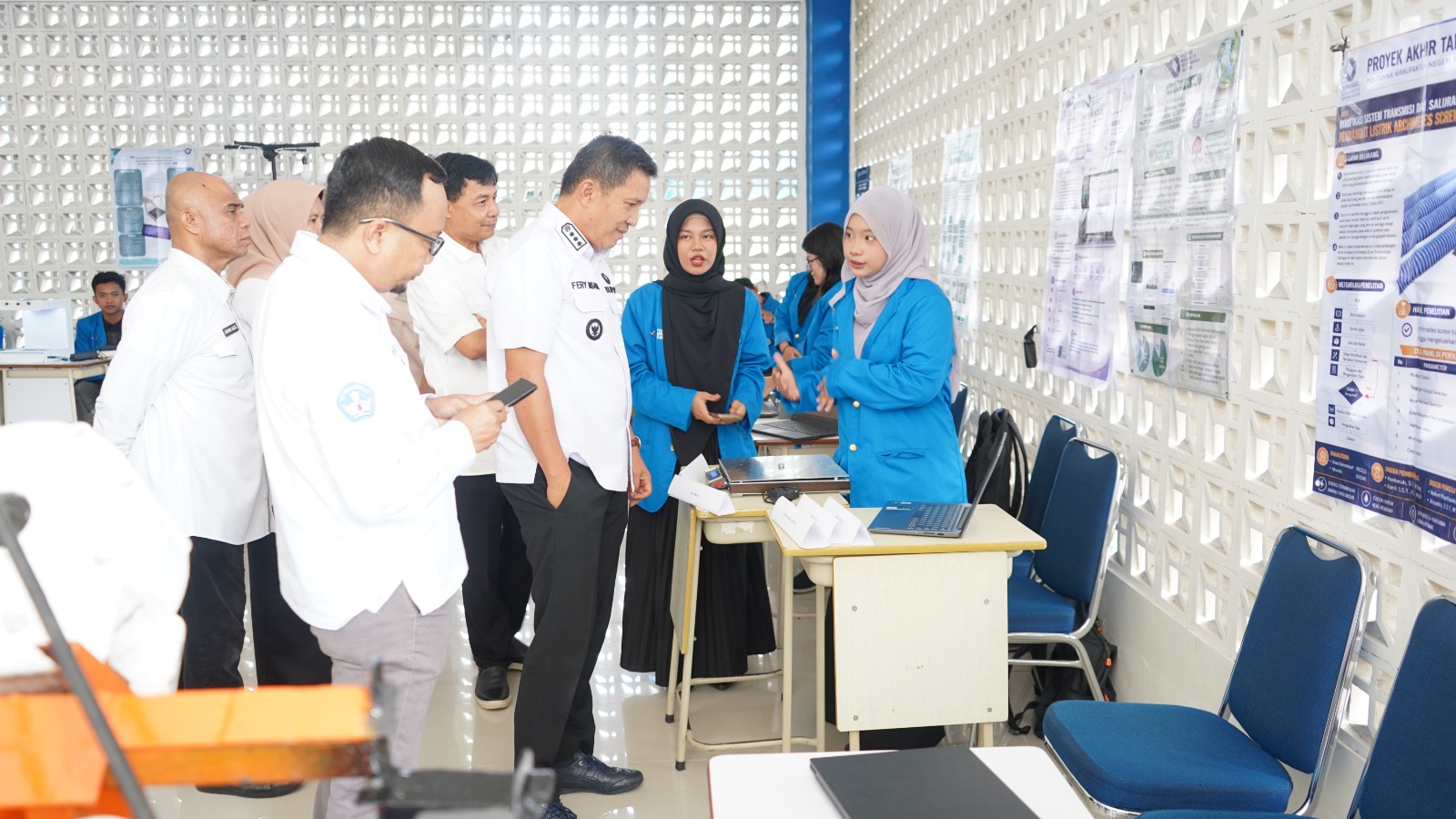
Bangka Regent Fery Insani, M.M., held a direct discussion with students from the Bangka Belitung State Manufacturing Polytechnic (Polman Negeri Babel) regarding the technological innovations being promoted.
Students from the Bangka Belitung State Manufacturing Polytechnic (Polman Babel) showcased technology development initiatives—featuring three innovative products derived from the final projects of Applied Bachelor’s students in Software Engineering Technology (TRPL)—to the Regent of Bangka, Fery Insani, M.M., and representatives from the Bangka Belitung chapter of the Indonesian Oil Palm Farmers Association (APKASINDO). The presentation took place on the first floor of the Lecture Building on Wednesday (July 29, 2026).
The three innovations were created by students developing technological solutions: an Android-based pepper disease detection system utilizing a comparative evaluation of YOLOv11 variants; a weed identification system for corn crops using the YOLOv8n algorithm, designed as a digital learning tool for agriculture students; and the development of the Android-based "Asri" application—using the Agile Scrum method—for an integrated waste bank system at the Basayan Berseri Waste Bank.
During the event, Bangka Regent Fery Insani, M.M., personally observed demonstrations of the technological products developed by Polman Babel students, noting their efforts to harness technology to create practical solutions that benefit the community.
Fery expressed his admiration for the various innovations introduced by the students, remarking that the technology is remarkable, particularly given its potential utility and applicability in communities where such solutions are needed.
"Does it take a long time to create and develop technology like this?" Fery asked.
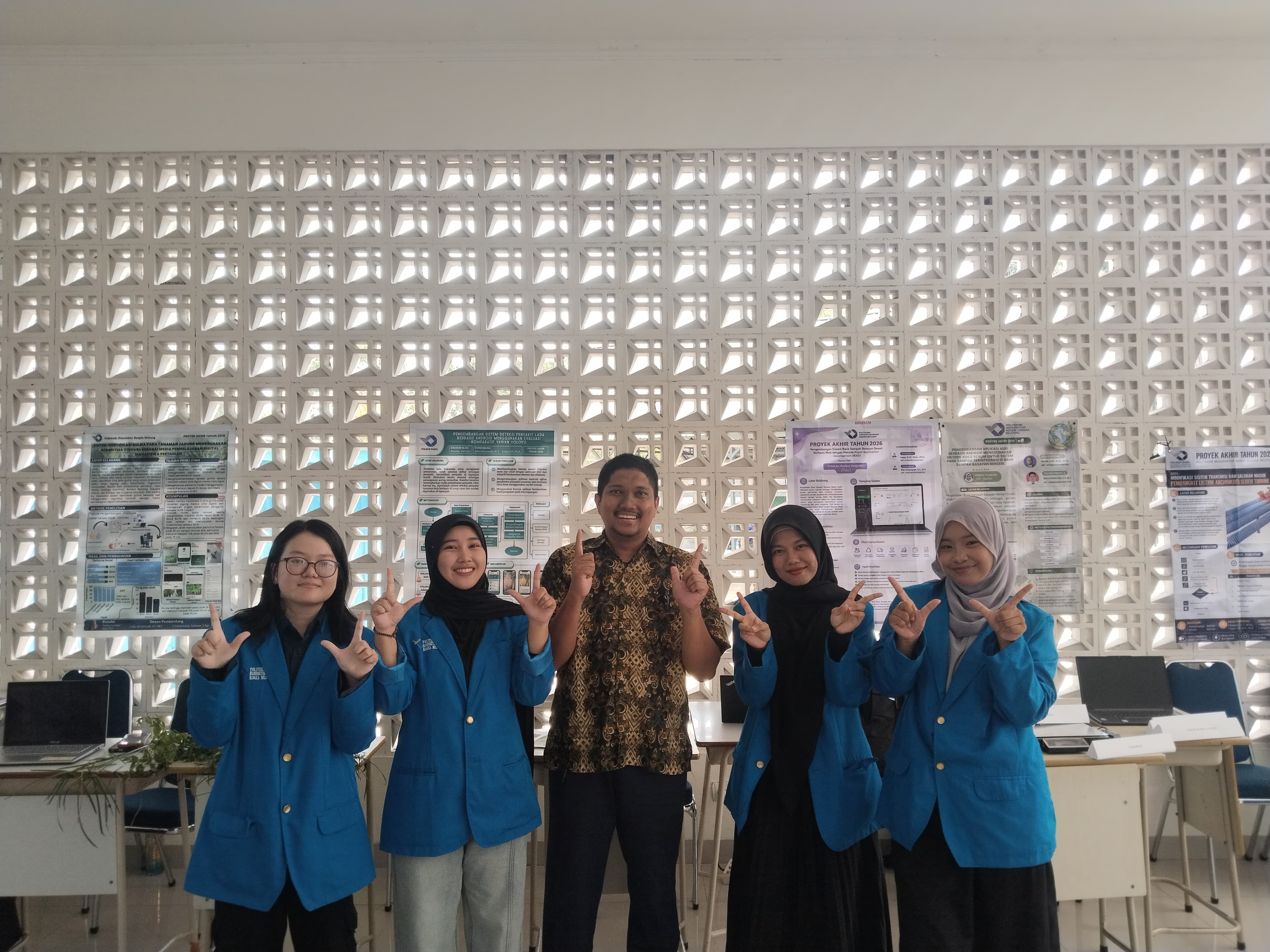
Meanwhile, Riki Afriansyah, M.T.—a faculty advisor at Polman Babel, the leading vocational campus in Bangka Belitung—explained that the first product was developed to help detect pepper plant diseases using leaf imagery, thereby addressing the detection challenges often faced in plantation areas.
"Through this application, users simply need to photograph or upload an image of a pepper leaf suspected of being diseased; the system then detects the specific disease type and provides supporting information—such as symptoms, causes, control measures, and further identification details—to help users understand the plant's condition," he elaborated.
"Unlike the first innovation, the second product—named 'Gulmaify'—was developed to assist in identifying weed species in corn crops. Recognizing weed types often requires consulting various references, so the students developed a website based on the YOLOv8n algorithm that can serve as a digital learning tool for agriculture students," he noted.
"Gulmaify users simply upload a photo of a weed to identify one of the five weed species programmed into the system. In addition to providing information on weed characteristics and control methods, the platform features an identification history log, a discussion forum, and weed discovery locations—all integrated into a single platform," he said.
Meanwhile, the third innovation—an application called 'Asri'—was developed to help the public and waste bank operators manage waste deposit transactions and customer balance withdrawals more easily and seamlessly, utilizing the simple three-step 'BCL' concept: *Buka* (Open the app), *Cek* (Check the balance), and *Lakukan* (Perform the transaction).
The Asri application also integrates with IoT-based scales and offers additional features such as waste management education, transaction history, and a user guide.
"It supports the digitalization of waste bank management while enhancing service convenience for the community," he concluded. "In his remarks, Riki stated that all the products created by the students represent the hard work involved in developing technology-based solutions—solutions that are not merely aimed at completing a final project but possess real-world application potential and serve as a source of motivation to continue innovating, creating, and developing solutions that generate a positive impact."