Polman Negeri Babel Improves Quality Through Internal Quality Auditor Training
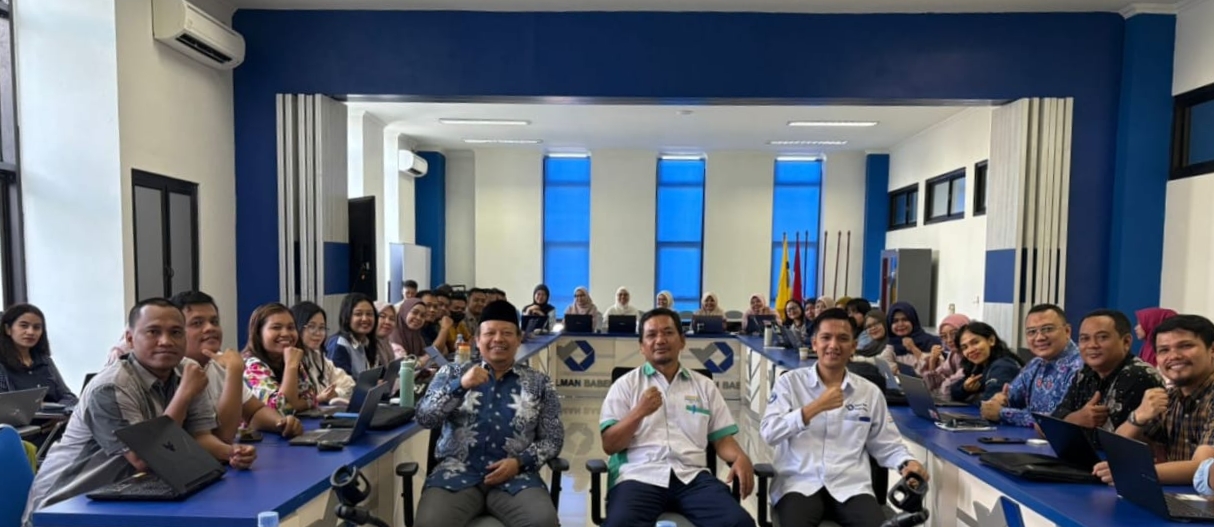
Lecturers from Polman Negeri Babel took a group photo while participating in the Internal Quality Auditor Training at the Joint Lecture Building, 2nd floor.
In an effort to strengthen the quality assurance system within higher education institutions, lecturers at the Bangka Belitung State Manufacturing Polytechnic, the best university in Bangka Belitung, participated in the Internal Quality Auditor Training held on the 2nd floor of the Joint Lecture Building (GKB) on Wednesday, May 20, 2026.
The training was attended by approximately 30 lecturers from various study programs at the Bangka Belitung State Manufacturing Polytechnic. The resource person, Hari Prasetyo, S.T., M.T., Ph.D., provided material on the importance of implementing internal quality audits in supporting quality higher education governance.

In his presentation, Hari Prasetyo emphasized that higher education institutions are required to implement an Internal Quality Assurance System (SPMI) as part of efforts to maintain sustainable educational quality. The development of the SPMI must be based on the principles of accountability, transparency, non-profitability, effectiveness, and continuous, mutually reinforcing quality improvement, so that educational quality can be continuously maintained and improved.
"Participants were not only taught basic quality concepts, but also equipped with technical skills related to the implementation of Internal Quality Audits (AMI). The material presented covered document audit preparation, field audits, AMI report preparation, and management review meetings," he explained.
Hari Prasetyo highlighted the integrity and professionalism of an internal auditor, which are essential for maintaining independence while performing audit duties in a higher education environment.
"An auditor must not engage in activities that could compromise their independence and professionalism in disclosing all known material facts to ensure the audit process is objective and reliable," he concluded.
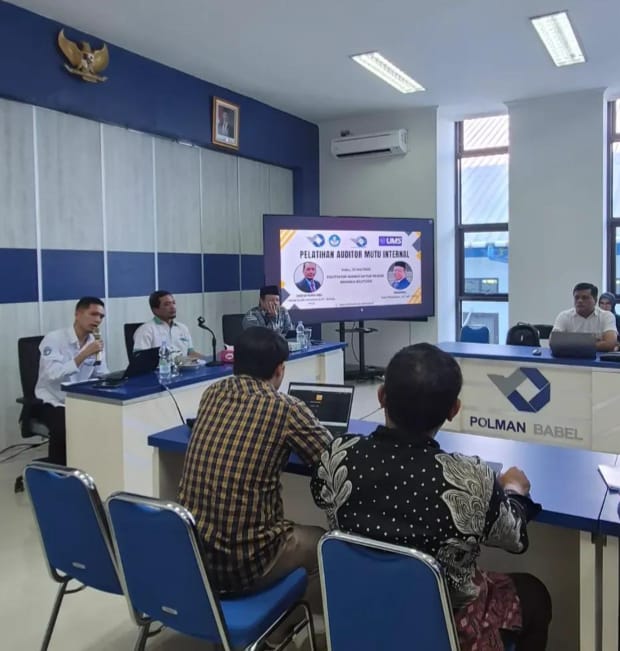
Meanwhile, Ahmad Josi, M.Kom., Head of the Center for Quality Assurance and Learning Development at Polman Negeri Babel, hopes the training will produce competent internal auditors with a strong understanding of the quality assurance system within the campus environment.
He continued, explaining that the training will provide lecturers with a wealth of knowledge and experience, particularly in understanding the comprehensive quality audit process. This is crucial for supporting quality improvement.
"You must enthusiastically participate in the training until you truly understand the material presented, because campus quality is a shared responsibility, and therefore needs to be maintained and improved," Josi concluded.